







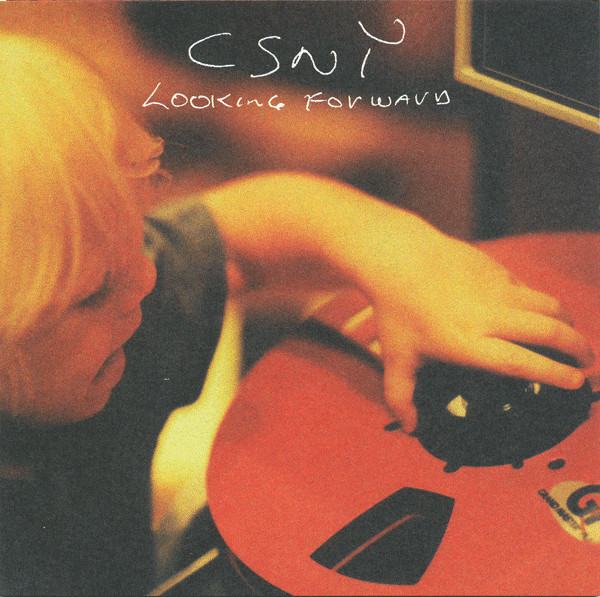
There’s something magical about Sanibel Island, a haven of tranquility where time seems to slow down. This sense of escape is beautifully captured in the song “Sanibel.” It was recorded by Crosby, Stills, Nash & Young (CSNY) for their 1999 album Looking Forward. The song offers a serene, oceanic vibe that mirrors the tranquil beauty of its namesake island. The song has a unique backstory tied to its writer, Denny Sarokin.
Denny Sarokin’s Journey
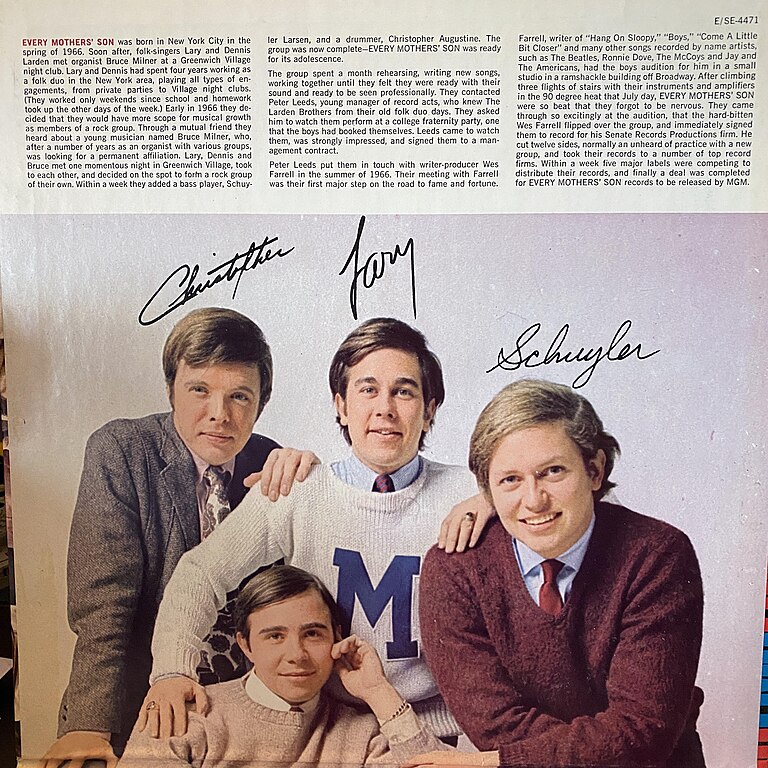
Before he was Denny Sarokin, the songwriter behind “Sanibel,” he was Denny Larden. He was a founding member of the 1960s pop band Every Mother’s Son. The band gained recognition with their infectious pop sound, most notably with the hit “Come On Down to My Boat.” The song climbed to number six on the Billboard Hot 100 and became a staple of 1960s radio. Their success solidified them as a memorable part of the decade’s music scene.
After Every Mother’s Son disbanded in 1969, Denny reverted to his given surname, Sarokin, and embarked on a new chapter in his career. He joined Rick Nelson’s Stone Canyon Band, contributed to TV and film soundtracks, and collaborated with iconic artists like Bread and The Monkees. His ability to adapt and innovate has been a hallmark of his long career, leading to the creation of “Sanibel” and its eventual inclusion in CSNY’s repertoire.
The Inspiration Behind “Sanibel”
The story of “Sanibel” begins in 1981 with heartbreak. Denny’s girlfriend, Susie, unexpectedly vanished, leaving him with unanswered questions and emotional turmoil. Six months later, while working a day job, he received a postcard that reignited those feelings. It featured a stunning tropical sunset and a simple yet evocative message:
“The sunsets are beautiful here on Sanibel. Wish you were here. Love, Susie.”
The postcard offered no way to contact her, leaving Denny to process the mystery and longing it evoked. This sense of emotional displacement and unanswered questions deeply influenced the song’s wistful tone and reflective lyrics, channeling the serene beauty of Sanibel Island while echoing the heartache and hope of this fleeting connection. That evening, under the soft glow of a Los Angeles sky, Denny picked up his guitar. Inspired by literary works like The Odyssey and The Prophet, and calmed by the serene oceanic vibe of his surroundings, the song “Sanibel” emerged.
The Making of “Sanibel”
Though “Sanibel” was quickly written, its journey to CSNY’s Looking Forward album was anything but straightforward. The song remained in limbo for years, with interest expressed but no clear plans for its recording. Finally, in the late 1990s, Crosby, Stills, Nash & Young included it in their long-awaited reunion album.

The recording process presented its challenges. Lost master tapes and technical difficulties required creative solutions, such as using advanced audio restoration techniques to recover key elements of the track. The band’s dedication and innovative approach ultimately brought the song to life despite these setbacks. For Denny Sarokin, recording with his musical heroes was a dream come true, albeit filled with both exhilaration and frustration.
The Song’s Legacy
“Sanibel” stands out in CSNY’s catalog for its themes of longing and escape and as a rare track written by an outside songwriter. The song’s gentle melodies and evocative lyrics resonate deeply, offering listeners a moment of reflection and connection.
For Sarokin, the experience of working with CSNY remains a career highlight. It cemented his place in music history and showcased his ability to craft songs that transcend time and genre.

Denny Sarokin Today
Sarokin continues to make his mark on the music world. From releasing new albums like Founding Fathers to performing live with talented collaborators, he has remained active and innovative. Beyond his performances, Sarokin shares his knowledge through teaching, helping aspiring songwriters and guitarists refine their craft.
“Sanibel” remains a cornerstone of his legacy, embodying the themes of love, mystery, and the enduring power of music. These themes resonate strongly in the song through its wistful tone, reflective lyrics, and serene, oceanic melodies, which capture both the beauty of Sanibel Island and the emotional depth of human connection.
Whatever happened to Susie?
The mystery of what happened to Susie, the inspiration behind Denny Sarokin’s Sanibel, remains unresolved in the stories shared by Sarokin. The postcard she sent from Sanibel Island, with its evocative message, was the last tangible connection he had with her. In interviews, Sarokin has reflected on the ambiguity of the moment—whether it was an intentional reach for reconciliation or simply a fleeting gesture.
Her sudden disappearance and the unanswered questions it left behind were key in shaping the poignant tone of Sanibel, making the song not just a reflection on a place but also a deeply personal journey through longing and unresolved emotions. If Sarokin ever discovered more about Susie’s story, he hasn’t shared it publicly, leaving it as part of the song’s enduring mystique.
The Timelessness of “Sanibel”
At its core, “Sanibel” is more than a song. It’s a story of human connection, the beauty of the unknown, and the solace found in nature. Its themes continue to resonate, inviting listeners to pause, reflect, and dream.
Take a moment to listen to “Sanibel” and let its melodies transport you to the sunlit shores of Sanibel Island. Explore the legacy of both Crosby, Stills, Nash & Young and Denny Sarokin, and rediscover the timeless beauty of music that speaks to the heart.
Ed. Note: If you’re looking for stories about other chance encounters that led to great music, check out some great posts here about folk music and “beach music”, like this post on the Grateful Dead’s “Ripple” and Jimmy Buffett’s “Volcano.”
Photo Credits
“Sanibel Island 2012” by jthetzel is licensed under CC BY 2.0.
“Every Mothers Son vinyl record LP inside cover” by Teacherjordan is licensed under CC BY-SA 4.0.
By CMA-Creative Management Associates/Atlantic Records – eBay itemphoto frontphoto back, Public Domain, https://commons.wikimedia.org/w/index.php?curid=23454092
Sources
An article about Denny Sarokin from Pop Culture Classics